Relatedrecommendations

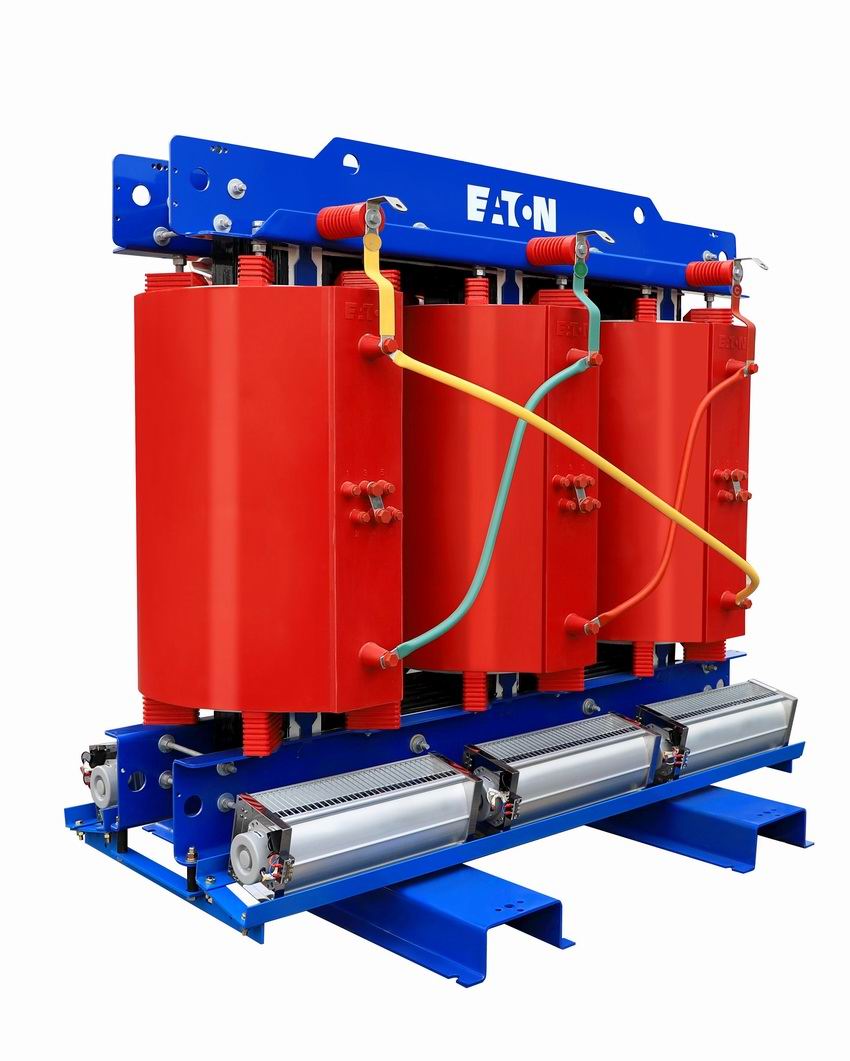
Epoxy resin cast dry-type transformers combine the advantages of high performance and low loss, and are products with better neutral performance in various types of dry-type transformers. They are suitable for important places such as urban power grids, high-rise buildings, business centers, theaters, hospitals, hotels, tunnels, subways, stations, docks, airports, underground power stations, laboratories, and combination substations.
 Service hotline:86-513-88786282
Product features:
1. High voltage winding is made of copper wire, low voltage winding is made of copper wire or copper foil, filled and wrapped with glass fiber felt, and poured with unfilled epoxy resin in vacuum state. After solidification, it forms a sturdy cylindrical whole with high mechanical strength, low partial discharge, and high reliability;
2. Flame retardant, explosion-proof, and non polluting to the environment. The insulating materials such as glass fiber used for winding coils have self extinguishing characteristics and will not generate arcs due to short circuits. Under high heat, the resin will not produce toxic and harmful gases;
3. The coil does not absorb moisture, and the iron core clamp has a special anti-corrosion protection layer, which can operate in 100% relative humidity and other harsh environments. Intermittent operation does not require dehumidification treatment;
4. High level of resistance to short circuit and lightning impulse;
5. The resin layer on the inner and outer sides of the coil is thin, and the heat dissipation performance is good. The cooling method generally adopts natural air cooling (AN). For transformers of any protection level, an air-cooled system (AF) can be configured to improve short-term overload capacity and ensure safe operation;
6. Low loss, good energy-saving effect, economical operation, and maintenance free;
7. Small size, light weight, small footprint, low installation cost, no need to consider oil drainage tanks, fire protection facilities, and backup power sources;
8. Due to the absence of fire and explosion risks, it can be installed separately in the load center, fully close to the power consumption point, thereby reducing the cost of power lines and saving expensive low-voltage facilities.